

Rage Is Not Research
I’ve been borrowing my opinions from headlines, hot takes, and other people’s certainty.

Why have I been so angry lately?
Yes, the world seems like it’s crashing, but it’s more than that.
If I hadn’t taken a 3-month social media break, I wouldn’t have noticed the frustration or why it’s happening.
It’s not social media on the whole. Yes, it plays a part, but the real issue is I’ve allowed myself to find fury quickly after watching a reel or reading a headline.
This isn’t new, but my awareness of it is.
When I logged back into Instagram, it felt different. Or maybe I felt different. Within minutes, I noticed how extreme the short-form videos looked and sounded. Jump cuts, urgent voices, and “you won’t believe it” headlines. Somehow this escaped me before—I didn’t realize just how easy it is to absorb someone else’s opinion.
It’s not just that these clips are designed to get us to engage (enrage?) — of course they are, but they’re often stripped of much-needed context or history.
While I was in it (consuming, posting, reacting), I didn’t realize how far I’d drifted from curiosity. I thought I was staying informed. In reality, I was reacting quickly and calling it thinking.
When had I lost my need for more of the story?
Had I become too busy or too jaded?
For a few years, I had loosely been exposed to Scott Galloway’s content on TikTok. Mostly economic analysis with some cultural commentary.
Then, almost overnight, I noticed I would cringe if his name came up.
It wasn’t hard to figure out why. Viral videos about his take on the male loneliness epidemic peppered my For You page.
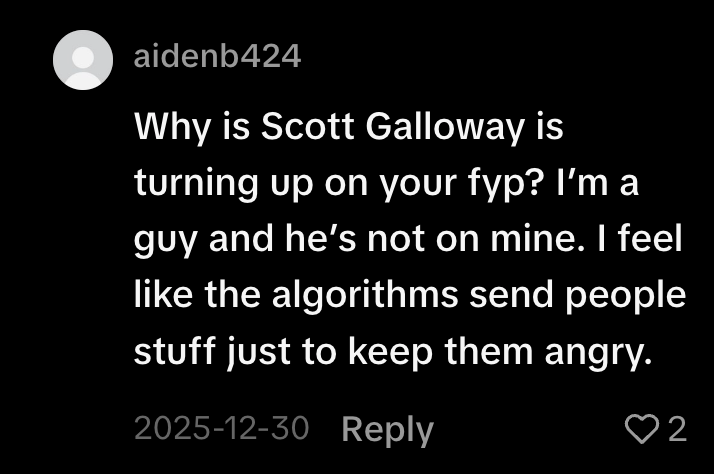
One upset content creator after another was outraged that Scott blamed women for the struggles of young men. The verdict was clear: he was the worst.
But I had heard him in longer interviews before, and something about the outrage didn’t quite line up. So I listened to the full conversation in a few different places.
In context, he was talking about a decades-long absence of visible, healthy male role models, which created a vacuum for the likes of Andrew Tate to slide into.
I realized I had almost accepted the profitable version of his argument without checking the source (burn it in your brain: views = money, not truth).
That unsettled me more than anything he actually said.
This wasn’t the only place I’d been coasting on secondhand thinking.
For years, I carried around a vague, slightly negative opinion of Gwyneth Paltrow. If you had asked me why, I might have said she seemed out of touch and self-important.
But if you asked for an example, I couldn’t point to a single thing she had said or done that bothered me.
Thanks to Jameela Jamil’s endless efforts to make our world a better place, I learned how easily we’re manipulated. Ages ago, she asked her followers to name a celebrity they disliked but couldn’t clearly explain why. The comment section exploded within minutes.
Beyonce, Taylor Swift, Jennifer Lawrence, and yes, Gwyneth Paltrow.
“It’s just a feeling,” people wrote. We had no proof, but we sure were confident.
Recently, Gwyneth was a guest on Amy Poehler’s podcast (the only reason I pressed play was that I trust Amy), and within a few minutes, I could feel my internal narrative shift. Gwyneth was funny and relaxed. Not at all the flat, slightly ridiculous character I had created.
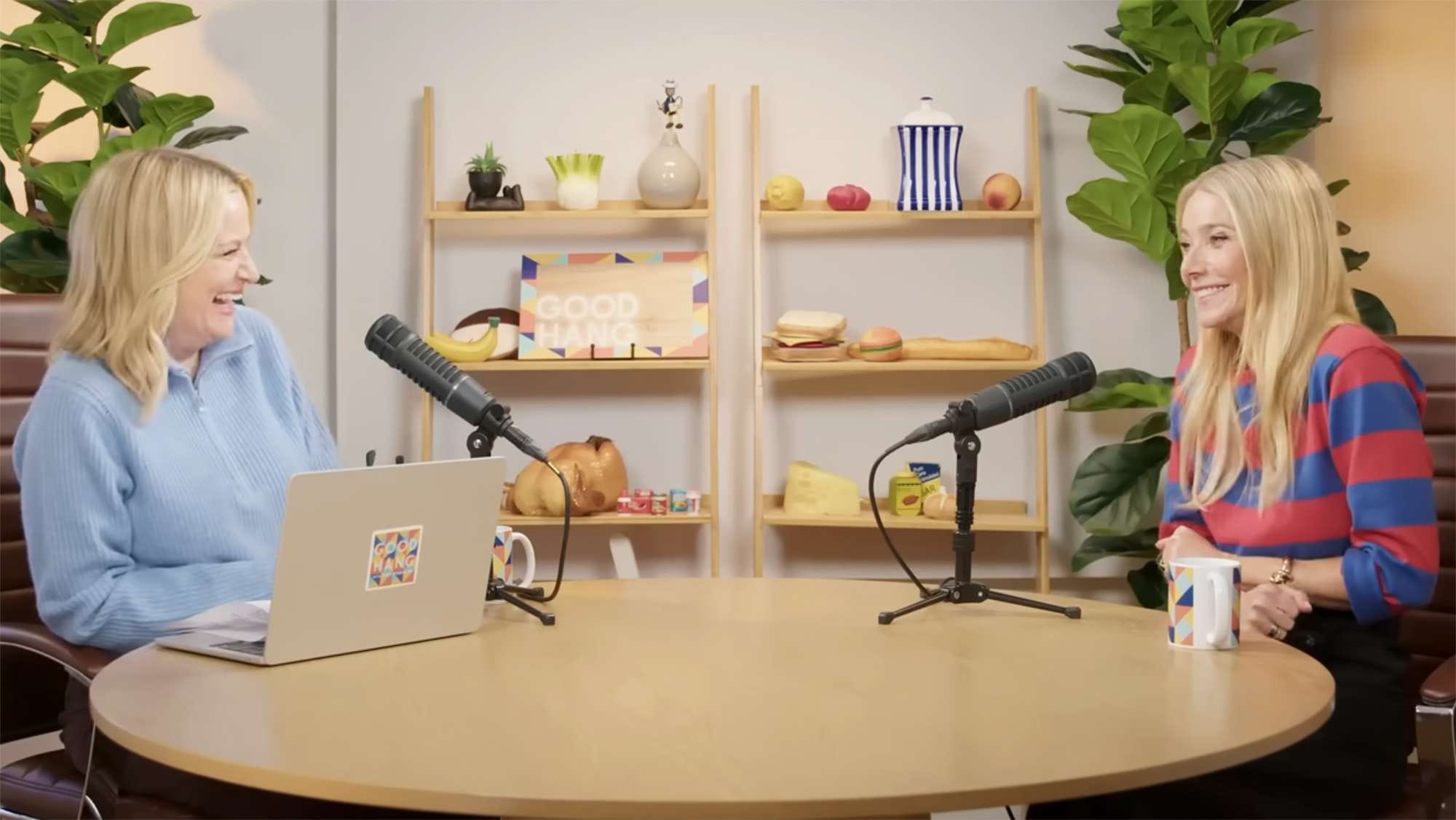
Changing my opinion was so easy. Like a flip of a switch.
The painful, if not embarrassing part, was realizing how easily I had outsourced my opinion.
My new resolve to slow down was tested recently when I saw the ridiculous clip of the USA men’s hockey team on a call with the president.
My reaction was immediate and intense.
I seethed for hours.
Dinner was made in zombie mode, and I hated how I was feeling.
My hiatus from the social media rage machine had reset my nervous system, and I felt an urgency to fix it.
So I paused to ask myself questions. What exactly upset me? The president? The players? The history around locker-room culture and how women are treated?
None of it? All of it?
Then I imagined being a young athlete in that moment — live, on camera, fueled by adrenaline, surrounded by teammates. I thought about times I’ve stayed quiet because speaking up was risky. And how about the countless times I’ve been stunned into silence?
Was my anger at this moment, at these players, justified?
No. I’m not mad at them in that moment (what they do next matters, and so far I’m not impressed), because there’s context beyond the clip (see this brilliant article from The Humanity Archive).

I shifted from being outraged to feeling simultaneously upset, understanding, and hopeful that some change would come from the spotlight.
This feels bigger than media literacy.
It feels like emotional regulation.
When we restrict our content consumption to fragments, we hand over our autonomy. When we listen longer or even just sit with our own discomfort, we create space to process.
And in that space, we get to decide what’s actually ours.
If something angers or scares me now, I’m trying to pause before I pile on. I ask whether I care enough to investigate further or whether I’m simply being invited into someone else’s outrage.
The other day, I heard someone say that action is the antidote to anxiety.
If that’s true, then maybe research is the antidote to rage?
I don’t want to be this easy to manipulate. And I don’t want my emotions to belong to an algorithm.
I’m still figuring this out in real time. But admitting I might not know enough yet feels less threatening than it used to.
It feels like freedom.

Jen: I love every bit of this! I agree with you wholeheartedly. As a Marketing major, in college, I was trained to craft messages with the goal of facilitating an outcome that results in consumer sales . It was then that I realized that I did not want a career that influences people to "outsource" their opinion to me. Fast forward to today where content creators have incentive to "message" opinions so cleverly that the consumer of the content does not realize they have handed their opinions over to people they do not know. It is hard to watch. Kudos to you for realizing that the process of pulling back and asking questions of yourself will bring clarity to the intention of the message.